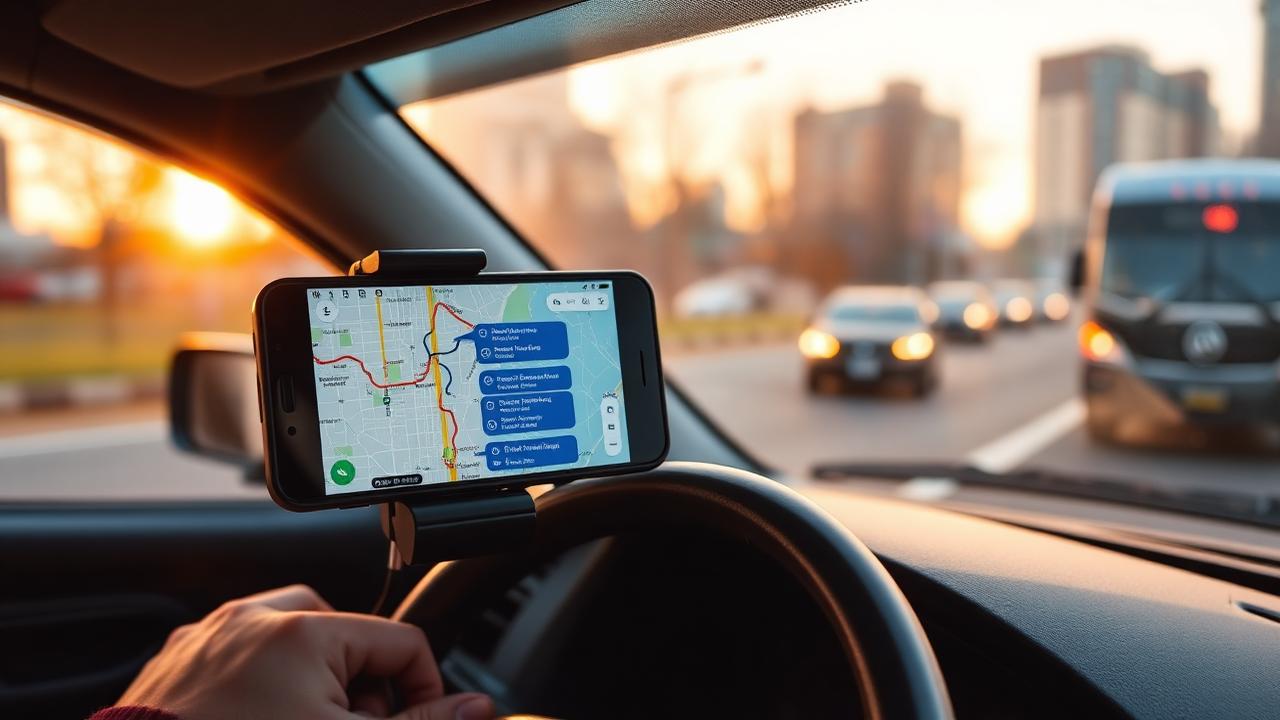
10 Ways to Reduce No-Shows
Confirmations, reminders and clear arrival windows that keep your day from collapsing.
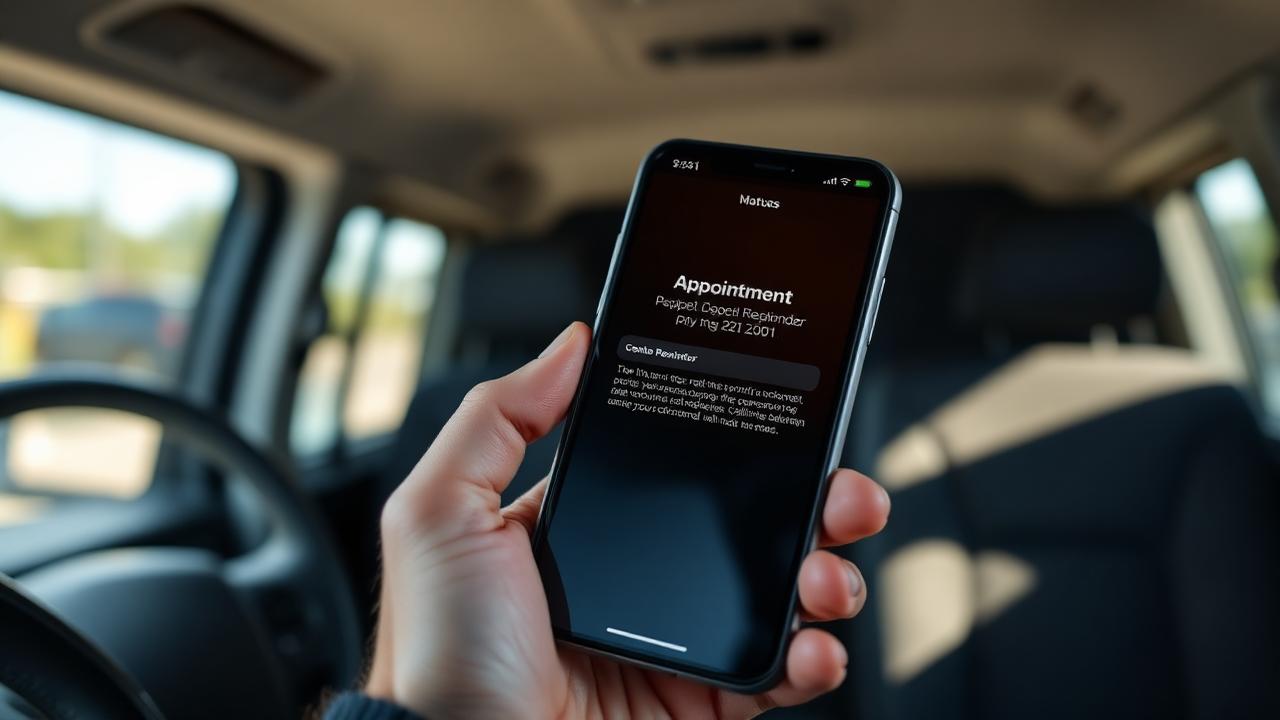
The Wednesday that fell apart
Dave runs a two-van plumbing business. Last Wednesday his 10am customer wasn't home, his 1pm had 'forgotten' and rescheduled for the following week, and his 3pm called at 2:45 to cancel. Three jobs, three gaps, and a crew that drove around most of the day billing nobody.
None of those were unusual customers — they just weren't reminded, weren't given a firm window, and had no reason to treat the appointment as locked in. No-shows aren't bad luck; they're a symptom of a booking process that leaves too much room for a customer to forget or deprioritize you.
The same pattern shows up across trades — HVAC techs waiting outside empty houses, painters arriving to find nobody home to let them in, pool techs driving to a gate that's locked with no one answering the phone. The fix is close to identical everywhere: reduce the number of moments where a customer can simply forget you're coming.
What a no-show actually costs
A missed $220 plumbing job isn't just $220 lost — it's a technician and a van sitting idle for the slot, plus the fuel and drive time already spent getting there. If Dave's crew has even one no-show a week at an average job value of $220, that's over $11,000 a year in dead time, not counting the jobs he had to turn away because the calendar looked full.
For a lawn or cleaning route, the math is smaller per job but repeats weekly, and it compounds with every crew member idled by a gap that could have been filled by a standby customer if the business had known about it 24 hours earlier.
For bigger-ticket trades — HVAC installs, larger painting or handyman jobs — a single no-show can cost an entire day, since the crew is often blocked out for hours and can't easily slot in a replacement job on short notice. The larger the average ticket, the more a no-show policy pays for itself.
Ten ways to close the gap
Work through these in order — the first few fix the majority of no-shows on their own.
- 1Confirm at booking, not at the door — send date, arrival window, address and price the moment the job is booked.
- 2Use an arrival window, not an exact time — a two-hour window you can keep beats a precise time you can't.
- 3Send an automatic reminder 24 hours before the appointment.
- 4Send a short on-my-way message when the tech actually leaves the previous job.
- 5State a clear no-show or late-cancellation policy at booking, in writing, not just verbally.
- 6Take a deposit or card-on-file for jobs with a history of no-shows or for new customers with no track record.
- 7Call, don't just text, high-value jobs the morning of the appointment.
- 8Keep a short waitlist so a same-day cancellation can be filled instead of leaving a hole.
- 9Track no-show patterns by customer — repeat offenders need a different policy than a one-time miss.
- 10Review your no-show rate monthly and treat it as a number to manage, not background noise.
Have a stated policy
Say plainly what happens if nobody is home — a rebooking fee, a shortened window on the next visit, or a deposit requirement going forward. Customers respect a policy they were told about in advance far more than one sprung on them after the fact.
| Booking method | Typical no-show rate | Fix |
|---|---|---|
| Verbal booking, no confirmation | 15-25% | Written confirmation same day |
| Text confirmation, no reminder | 8-12% | Add 24-hour reminder |
| Confirmation + reminder + on-my-way text | 2-5% | Maintain the habit |
Write the policy so it doesn't sound like a threat
The wording matters. "If we arrive and nobody is home, a $35 trip fee applies and we'll need to rebook for the next available slot" is calm, factual, and stated once at booking — it reads as professional, not punitive. Compare that to bringing it up for the first time after a customer has already missed an appointment, which reads as an ambush even if it's the same policy.
For new customers with no history, a small deposit ($25-50, credited to the final invoice) filters out the least committed bookings without scaring off genuine ones. Most legitimate customers won't blink at a small deposit; the ones who push back hardest are disproportionately the ones most likely to no-show anyway.
Watch it pay off
Once the habit is in place, track it for a month. If the no-show rate doesn't drop, the issue usually isn't reminders — it's that the arrival window is too tight, the policy isn't being enforced, or repeat offenders aren't being flagged.
When the job runs long and the next customer is waiting
No-show fixes only help if the schedule itself is realistic. If jobs routinely run over — a pool cleaning that turns into an equipment repair, an HVAC tune-up that finds a bigger problem — the next customer's window gets blown before they've done anything wrong, and it starts to feel like a broken promise on your end.
Build in buffer time (15-20 minutes between standard jobs, more for jobs prone to scope creep) and message the next customer immediately if you're going to miss the window: "Running about 25 minutes behind on the job before yours — still on for you, just a bit later in your window." A heads-up before the window closes preserves trust; silence past the window is what actually damages it and, over time, trains customers to no-show on you in return.
Common mistakes to avoid
- Booking verbally with no written confirmation of date, window and price
- Giving an exact time instead of a realistic arrival window
- Not sending a reminder until the morning of, or not at all
- Having no stated policy for what happens on a no-show
- Letting repeat no-show customers keep booking under the same terms as reliable ones
- Scheduling back-to-back jobs with no buffer, so one overrun blows the next customer's window
- Staying silent when running late instead of sending a heads-up before the window closes
Common questions
- Should I charge a no-show fee?
- Yes for repeat offenders or first-time bookings with no history — state it clearly at booking so it isn't a surprise.
- How far in advance should reminders go out?
- 24 hours is the sweet spot for most home service jobs; add a same-morning on-my-way text as a second layer.
- What's a normal no-show rate to aim for?
- Under 5% is healthy for most service businesses once confirmations and reminders are in place.
- Is a deposit too aggressive for a small residential job?
- A modest, credited-to-invoice deposit ($25-50) is normal for new customers with no track record and rarely costs you legitimate bookings.
Try this today
- Add a written confirmation step to every booking this week
- Switch any fixed appointment times to a two-hour arrival window
- Turn on a 24-hour reminder for every job on the calendar
- Write a one-paragraph no-show policy and start sharing it at booking
- Review this month's no-shows and flag repeat offenders for a deposit requirement
- Add 15-20 minutes of buffer between jobs prone to running long
- Set a rule: any job running more than 10 minutes late triggers an automatic heads-up text to the next customer
Cut no-shows out of your week
Automate confirmations, reminders and on-my-way messages so your schedule actually holds.
See the job workflow- Job workflow
On-my-way, arrived, before & after photos, summary, payment, review.