How to Get More Lawn Care Customers
A practical route to a fuller schedule: work your existing list first, then win the street around every job you already do.

The Tuesday that never got booked
Mike runs a two-man crew and mows 34 lawns a week. Every Tuesday afternoon has a gap — a customer moved, another switched to biweekly, and he never filled the slot. He spent $180 on a flyer run through a new subdivision and got one call back, for a one-time cleanup that never rebooked.
Meanwhile his own customer list — the 34 people who already trust him, plus another 40 who used him once last year and stopped — sat untouched. That list is worth more than any flyer, because those people have already made the decision to hire a lawn guy. The only question is whether it's him or someone else.
This isn't a Mike problem. Most established lawn care businesses have more revenue sitting in their past-customer list and their existing routes than they'll ever pull from a new ad campaign. The fix costs almost nothing — it just requires treating the list and the route as marketing assets instead of a database you only open to send invoices.
Why the gap matters more than it looks
One empty Tuesday slot at a $45 average job is $45 a week, or roughly $2,000 a year once you count the mowing season. Multiply that by every unfilled slot on the route and a crew that looks 'mostly full' can be leaking $8,000–$12,000 a year in idle capacity — time and gas already committed, just with nothing to mow.
The math gets worse because a mower and a truck cost the same whether they're running four jobs a day or five. The fifth job is close to pure margin once fuel and a bit of extra labor are covered, which is exactly why filling gaps with existing-list customers is the highest-return move most lawn care owners aren't making.
There's a second cost that's easy to miss: every week a slot sits open, the crew's per-hour economics get worse, because fixed costs — the trailer payment, insurance, the owner's own time running the business — get spread across fewer billed hours. A route that's 85% full instead of 100% full isn't just missing 15% of revenue; it's often missing 25-30% of profit, because the last few jobs of the day are the ones with the least added drive time and the highest margin.
Fill the gap in four steps
This isn't about a bigger ad budget. It's about working the list you already have, then using every job you do as free advertising to the two houses next to it.
- 1Pull your full customer list and sort by last-service date — anyone past their normal cadence goes on this week's call list first.
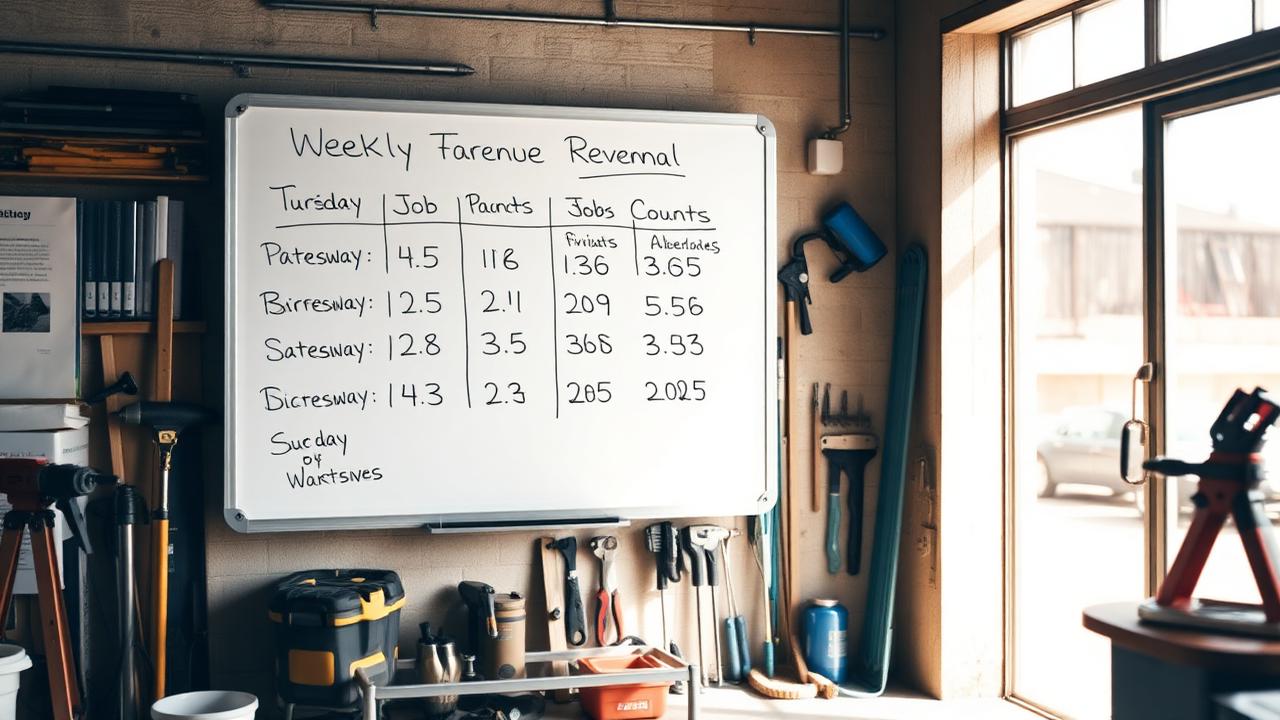
- 2Find the actual gap: which day and time slot is empty, and how many jobs of your average size would fill it.
- 3Decide the action — a rebooking message to lapsed customers, a neighbor offer on the street you're already mowing, or both.
- 4Track who responds and book them straight into the open slot, then check next week whether the gap actually closed.
Start with the customers you already have
The cheapest new job is a repeat job. Before you spend anything on advertising, list every customer you have served in the last year and note when they were last on your route.
- Anyone past their normal service interval gets a message this week
- Anyone who paid on time gets first offer on your best time slots
- Anyone who went quiet gets one friendly check-in, not a sales pitch
What to actually say to a lapsed customer
The message that works is short, specific and low-pressure: "Hey [name], it's Mike from [business] — we used to mow for you last spring. I've got a Tuesday opening starting next week if you'd like to get back on the schedule, same $45 rate. No worries either way, just wanted to check in." That's it. It names the relationship, gives a specific day and price, and removes any pressure to explain why they stopped.
Avoid the version that says "just checking in, let us know if you need anything" — it puts the work of deciding back on the customer, and busy homeowners will simply not reply to an open-ended question. A specific offer gets a yes-or-no answer, which is far easier to act on than a vague one.
Own the street you are already on
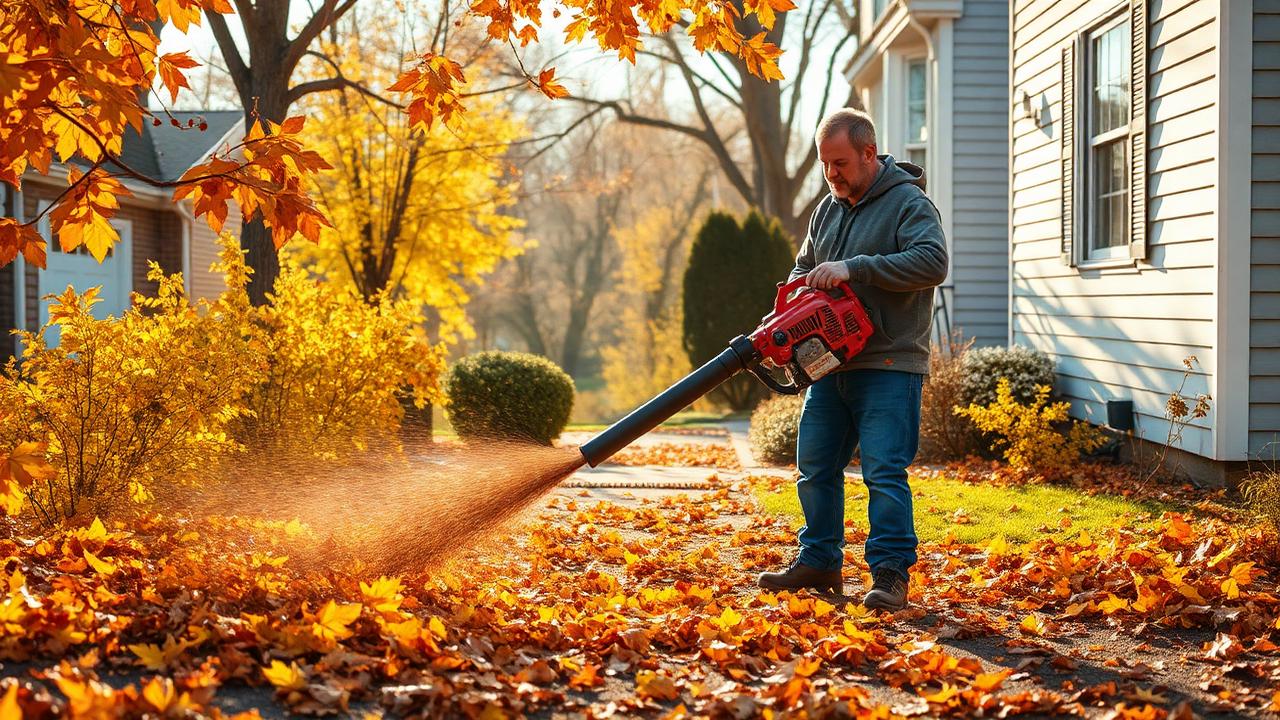
A finished lawn is your best advert, but only while it is fresh. Before you leave a job, take a clean after photo and offer the neighbours either side the same slot next week.
The two-minute door script
"Hi, I'm mowing next door for [name] — I've got about 20 minutes free before my next stop and I'm already set up here. Want me to knock yours out too, or I can pencil you in for the same time next week?" This works because it's true, it's low-commitment, and it removes the awkwardness of a cold pitch — you're not selling, you're offering to save them a phone call.
If nobody answers, leave a door hanger with the same offer, the specific day, and a photo of the yard you just finished. A generic flyer gets ignored; a door hanger referencing the literal yard next door gets read.
Make it easy to say yes
Give a specific price for a specific property and a specific day. Vague quotes get delayed; a concrete offer gets a decision. 'I can do your front and back for $40, same day as your neighbor, starting next week' beats 'let me know if you're interested' every time.
This matters even more for bigger-ticket seasonal add-ons — mulching, aeration, fall cleanup. Bundle the ask into the same conversation: "While I'm setting up your weekly mow, I noticed your beds could use mulch before summer — I can do that for $180 the same visit if you want it off your plate." You're not adding a sales call, you're adding a sentence to a conversation that's already happening.
Keep the follow-up honest
Two touches beat ten. A quote follow-up after three days and a seasonal reminder before the growth season starts will do more than constant posting. Customers remember being pestered; they rarely remember being reminded once at the right moment.
When the answer is no — and what to do about it
Not every lapsed customer or neighbor will say yes, and that's normal — expect roughly 70-85% of doors and messages to go nowhere. The two most common objections are price ("we found someone cheaper") and timing ("we're doing it ourselves this year"). Neither is worth arguing with.
For a price objection, don't discount on the spot — it trains the market that your number is negotiable. Instead, ask what they're paying and decide once, calmly, whether you want to match it for a specific reason (e.g., it fills a dead slot) or hold your price and move on. For a timing objection, ask permission to check back in six to eight weeks — most DIY lawn care plans don't survive a hot July, and a light, no-pressure follow-up then converts a surprising share of them.
In slow season — early spring before growth kicks in, or a rainy stretch that kills mowing demand — redirect the same list-and-neighbor approach toward off-season services: spring cleanups, mulch, aeration, gutter clearing. The list doesn't stop being valuable just because grass isn't growing; it just needs a different offer attached to it.
Common mistakes to avoid
- Spending on flyers or ads before working the existing customer list
- Leaving a finished job without a photo or a knock on the neighbor's door
- Sending vague 'let me know if you need anything' messages instead of a specific offer
- Following up so often that customers start ignoring every message
- Never tracking which day or slot is actually empty, so gaps go unnoticed for months
- Discounting immediately when a customer mentions a cheaper competitor, instead of deciding deliberately
- Going quiet on the customer list during slow season instead of pivoting the offer
Common questions
- How often should I contact past lawn care customers?
- Match your service interval. Weekly and fortnightly customers only need a reminder when they skip; seasonal customers need a nudge before each season starts.
- Is door-to-door still worth it for lawn care?
- It works best immediately after a visible job on the same street, when the result is in front of the person you are asking.
- What's a realistic response rate from a lapsed-customer list?
- Expect roughly 10-20% to rebook from a well-timed, personal message. A list of 40 lapsed customers can reasonably produce 4-8 new bookings.
- What if a customer says they're doing the lawn themselves this year?
- Ask permission to check back in six to eight weeks. Many DIY plans don't survive peak summer growth, and a light follow-up then converts a meaningful share of them.
Try this today
- Pull your customer list today and flag everyone past their normal service interval
- Message the top 10 lapsed customers this week with a specific date and price
- Add a 'neighbor offer' step to the end of every job for the next two weeks
- Pick one empty slot and commit to filling it before the month ends
- Note this week's response rate so you know what's working next season
- Write down your two-minute door script and your lapsed-customer message so every crew member uses the same wording
- Set a reminder to re-approach 'doing it ourselves' customers in six to eight weeks
Turn empty slots into booked revenue
See exactly which customers are overdue and which opportunities are worth chasing first.
Open the Growth Hub- Growth Hub
Your weekly goal, growth plan and customer opportunities in one place.
- Opportunity feed
The highest-value follow-ups waiting for you right now.
- Marketing planner
Weekly posts, promos and referral asks drafted in your voice.